January 29, 2025
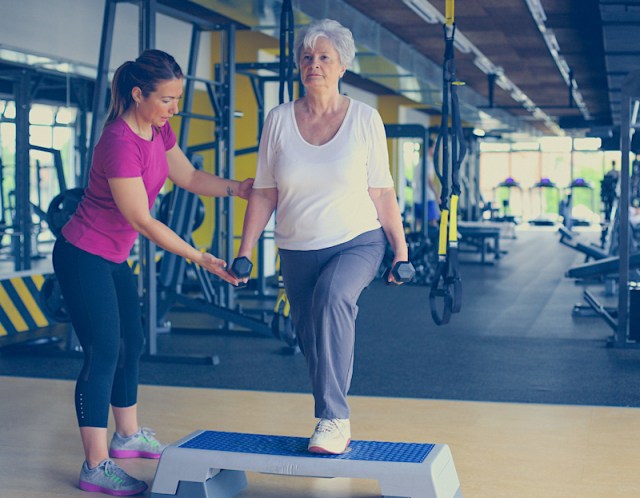
Parkinson’s disease (PD) is a progressive neurological condition that affects movement, balance, and coordination. It can also lead to non-motor symptoms such as depression, cognitive changes, and sleep disturbances. While there’s currently no cure for Parkinson’s, research has shown that exercise can play a crucial role in managing symptoms and improving quality of life.
In this blog, we’ll explore how exercise benefits individuals with Parkinson’s, the best types of activities to incorporate, and tips for starting a safe and effective routine.
How Exercise Benefits People with Parkinson’s
Parkinson’s disease primarily results from the loss of dopamine-producing cells in the brain, which affects the nervous system’s ability to control movement. Exercise doesn’t reverse the condition, but it can slow its progression and help individuals maintain independence.
Here’s how exercise helps:
- Improves Mobility and Balance
- Regular physical activity enhances flexibility, strength, and coordination, which can reduce stiffness and improve walking ability.
- Exercises that target balance help lower the risk of falls, a common concern for those with PD.
- Enhances Brain Health
- Exercise stimulates the production of brain-derived neurotrophic factor (BDNF), a protein that supports the survival and growth of neurons.
- Aerobic activities improve blood flow to the brain, supporting cognitive function and mood regulation.
- Reduces Motor Symptoms
- Rigidity, tremors, and bradykinesia (slowness of movement) can be alleviated through consistent exercise, helping individuals move more freely.
- Boosts Mood and Mental Health
- Physical activity releases endorphins, improving mood and reducing anxiety and depression, which are common in Parkinson’s patients.
- Increases Strength and Endurance
- Building muscle strength and cardiovascular endurance helps combat fatigue, a frequent symptom of PD.
Best Exercises for Parkinson’s Disease
A well-rounded exercise routine for Parkinson’s should include a mix of aerobic, strength, flexibility, and balance activities. Here are some examples:
1. Aerobic Exercises
- Why They Help: Improve cardiovascular health, stamina, and overall brain function.
- Examples:
- Walking or hiking
- Cycling (stationary or outdoor)
- Swimming or water aerobics
2. Strength Training
- Why It Helps: Builds muscle strength, supports joint stability, and reduces rigidity.
- Examples:
- Bodyweight exercises (e.g., squats, lunges)
- Light dumbbell or resistance band workouts
- Functional strength exercises like sit-to-stands
3. Flexibility and Stretching
- Why They Help: Alleviate stiffness and improve range of motion.
- Examples:
- Gentle yoga or chair yoga
- Tai Chi
- Dynamic stretches for the shoulders, hips, and legs
4. Balance and Coordination Training
- Why It Helps: Reduces fall risk and enhances control over movement.
- Examples:
- Standing on one foot or heel-to-toe walking
- Dancing (e.g., ballroom or tango)
- Specific balance exercises guided by a physical therapist
5. Neuro-specific Programs
- Why They Help: These are designed specifically for Parkinson’s patients to improve motor and non-motor symptoms.
- Examples:
- Boxing programs like Rock Steady Boxing
- LSVT BIG therapy exercises, which focus on large, exaggerated movements
Tips for Starting a Parkinson’s Exercise Routine
- Consult a Doctor or Physical Therapist
- Before starting a new program, talk to your healthcare provider to ensure it’s safe and tailored to your needs.
- Focus on Consistency
- Aim for at least 30 minutes of exercise 4–5 times a week, but adjust the duration and intensity based on your abilities.
- Adapt as Needed
- Parkinson’s symptoms can vary day-to-day, so listen to your body and modify exercises if necessary.
- Stay Safe
- Use assistive devices (like handrails or a chair) if needed during balance or strength exercises to prevent falls.
- Join a Supportive Community
- Group classes designed for Parkinson’s patients can provide motivation, guidance, and social support.
Real-Life Success Stories
Many individuals with Parkinson’s have experienced life-changing benefits from incorporating exercise into their daily routines. From regaining the ability to perform everyday tasks to improving confidence and mood, exercise has empowered people to live fuller, more active lives despite their diagnosis.
Final Thoughts
While Parkinson’s disease presents unique challenges, exercise is a powerful tool for managing its symptoms and improving quality of life. Whether you’re newly diagnosed or have been living with PD for years, it’s never too late to start moving and reaping the rewards.
If you’re looking for guidance on how to build a safe and effective exercise routine, feel free to reach out to me. Together, we can create a personalized plan to help you move better, feel stronger, and live well with Parkinson’s.
Ready to Take the First Step Toward a Healthier You?
I’d love to help you take the next step! You can reach me at You First – Mind Body Fitness via email at youforstptlc@hotmail.com. We offer virtual and in person coaching and training. Click HERE to email me
Click HERE to see what our current clients think
You First - Mind Body Fitness
Vicky Mapes
(732) 610-6486
youfirstptlc@hotmail.com
youfirstpersonaltraining.com

If you enjoyed this article sign up for my newsletter by clicking below.
 Mind Body Fitness