January 21, 2025
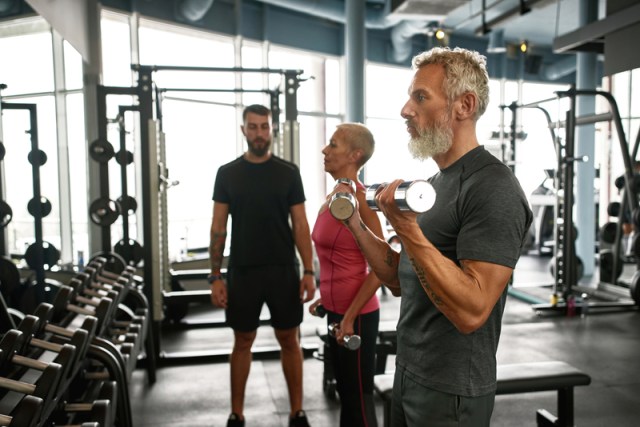
As we grow older, our bodies undergo natural changes that can affect our health, strength, and overall quality of life. One of the most significant changes is the gradual loss of muscle mass and strength—a condition known as sarcopenia. While this process begins as early as our 30s, its effects become more pronounced as we enter our 50s, 60s, and beyond.
The good news? You don’t have to accept muscle loss as an inevitable part of aging. With the right exercise routine and commitment, you can maintain and even build muscle at any age. Let’s explore why maintaining muscle is crucial as we age and how you can stay strong, active, and independent for years to come.
Why Muscle Matters as We Age
Muscle is more than just a means to lift heavy objects or achieve a toned appearance. It plays a vital role in overall health and well-being, influencing many aspects of daily life. Here’s why maintaining muscle is essential as we age:
1. Supports Functional Independence
Strong muscles allow us to perform everyday tasks, such as climbing stairs, lifting groceries, or getting out of a chair. Maintaining muscle mass reduces the risk of becoming dependent on others for these basic activities.
2. Improves Metabolic Health
Muscle is metabolically active tissue, meaning it helps regulate blood sugar levels and maintain a healthy metabolism. Preserving muscle can lower the risk of type 2 diabetes and obesity.
3. Reduces Risk of Falls and Injuries
As we age, falls become a leading cause of injury. Strong muscles improve balance, stability, and coordination, which can help prevent falls and minimize injury severity if one occurs.
4. Promotes Bone Health
Muscle and bone health are closely connected. Resistance training and weight-bearing exercises stimulate bone density, reducing the risk of osteoporosis and fractures.
5. Enhances Longevity and Quality of Life
Studies show that greater muscle mass is associated with longer life expectancy and better overall health. It’s not just about living longer but living better—remaining active, mobile, and independent.
How Exercise Helps Preserve and Build Muscle
Exercise is the key to maintaining muscle mass and strength as we age. Here are the most effective types of exercise for building and preserving muscle:
1. Strength Training
- What it is: Strength training involves resistance exercises like lifting weights, using resistance bands, or performing bodyweight exercises such as push-ups or squats.
- Why it’s effective: It directly stimulates muscle fibers, promoting growth and preventing loss.
2. Functional Training
- What it is: Exercises that mimic real-life movements, such as lifting, reaching, or twisting. Examples include lunges, step-ups, and carrying weights.
- Why it’s effective: It improves muscle coordination and strength for daily tasks.
3. Aerobic Exercise with Resistance Components
- What it is: Activities like swimming, cycling, or hiking that combine endurance with mild resistance.
- Why it’s effective: While aerobic exercise is primarily for cardiovascular health, adding resistance (e.g., swimming against water’s resistance) can also support muscle maintenance.
4. Flexibility and Balance Work
- What it is: Practices like yoga or tai chi that emphasize stretching, stability, and balance.
- Why it’s effective: These exercises support muscle function and help prevent falls by improving control and flexibility.
Tips for Maintaining Muscle as You Age
If you’re new to exercise or looking to enhance your routine, here are some tips to help you maintain muscle effectively and safely:
- Start Slowly and Progress Gradually
- Begin with light weights or resistance and focus on proper form. Increase intensity as your strength improves.
- Consistency is Key
- Aim for at least two strength-training sessions per week, alongside other forms of physical activity like walking or swimming.
- Prioritize Protein
- Protein is essential for muscle repair and growth. Include protein-rich foods like eggs, lean meat, fish, beans, and dairy in your diet.
- Incorporate Rest and Recovery
- Rest days are as important as exercise days. Give your muscles time to recover and rebuild stronger.
- Seek Professional Guidance
- If you’re unsure where to start, consult a personal trainer or physical therapist who can design a program tailored to your needs and abilities.
Breaking the Myth: It’s Never Too Late to Build Muscle
One of the biggest misconceptions is that muscle building is only for the young. In reality, people in their 60s, 70s, and even 80s can achieve significant improvements in strength and muscle mass with regular resistance training.
Studies show that older adults who engage in strength training experience remarkable benefits, including improved mobility, better balance, and enhanced mental health. The key is to start where you are, set realistic goals, and stay consistent.
Your Path to Strength and Vitality
Aging is inevitable, but muscle loss doesn’t have to be. By incorporating regular exercise and prioritizing muscle-building activities, you can stay strong, independent, and vibrant as you age.
Remember, it’s never too late to start—or restart—your fitness journey. Take that first step today, and you’ll thank yourself tomorrow.
If you’re ready to begin, I’m here to help! Let’s work together to create a plan that keeps you moving, thriving, and living your best life.
Contact me today to learn more about how you can maintain and build muscle at any age. Your future self will thank you!
Ready to Take the First Step Toward a Healthier You?
Are you feeling inspired to start your fitness journey or need guidance on building an exercise routine tailored to your needs? I’d love to help you take the next step! You can reach me at You First – Mind Body Fitness via email at youforstptlc@hotmail.com. We offer virtual and in person coaching and training.
Click HERE to see what our current clients think
You First - Mind Body Fitness
Vicky Mapes
(732) 610-6486
youfirstptlc@hotmail.com
youfirstpersonaltraining.com

If you enjoyed this article sign up for my newsletter by clicking below.
 Mind Body Fitness